
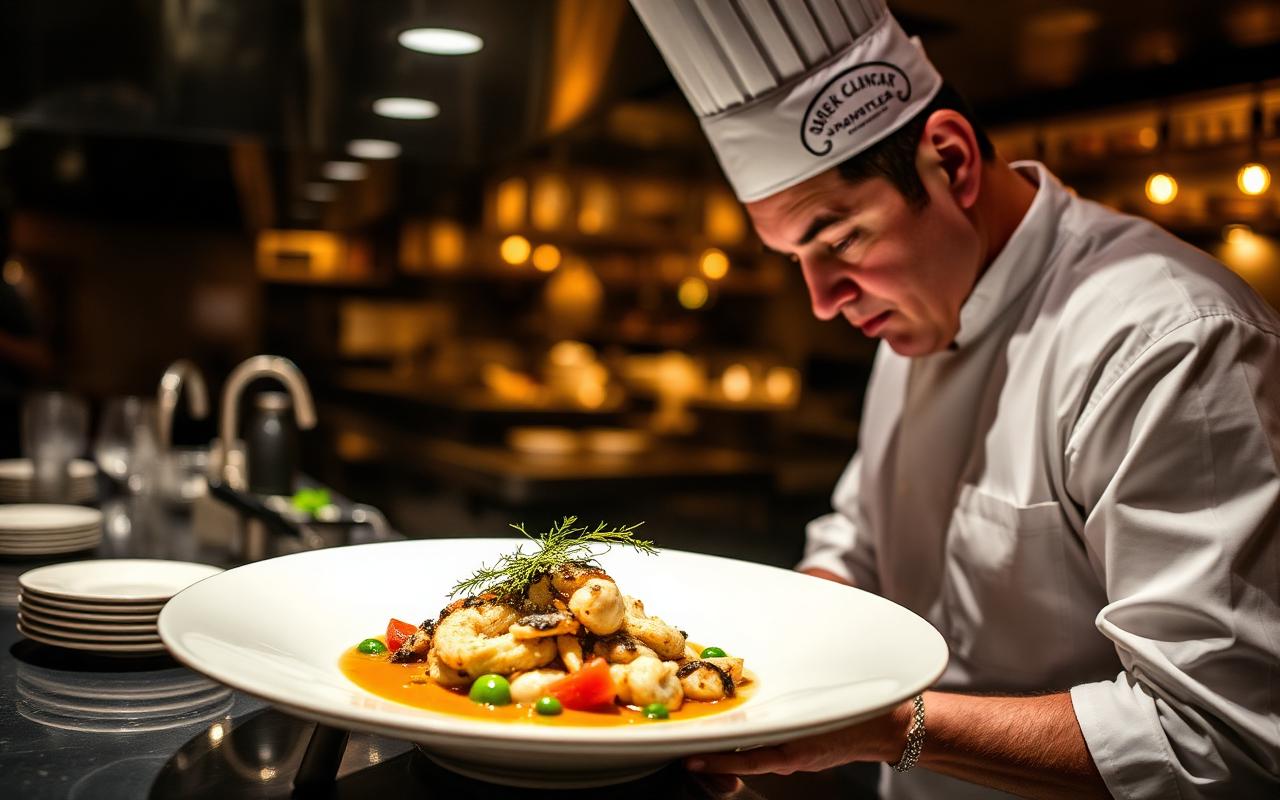
A culinary revolution is underway on the Gulf Coast, led by a new generation of chefs who are rewriting the rules of Florida cuisine. These culinary pioneers are forging direct relationships with local farmers, fishermen, and artisan producers to create menus that are not just locally sourced but deeply, authentically rooted in the Gulf Coast landscape. The result is a dining scene that rivals any in the Southeast — and one that is attracting national attention.
The Local Sourcing Revolution
The Gulf Coast's farm-to-table movement differs from its counterparts in Portland or Brooklyn in one crucial respect: the growing season never ends. Subtropical agriculture means year-round access to fresh produce, and the region's farms — from the organic operations in Myakka Valley to the hydroponic facilities in Lakewood Ranch — supply an astonishing variety of fruits, vegetables, and herbs. Tomatoes in January. Strawberries in February. Mangoes in July. The seasonal rhythm is gentler here, but no less rich.
At the Sarasota Farmers Market, which operates every Saturday morning downtown, chefs can be found alongside home cooks, selecting the morning's harvest directly from the growers. The market has become an informal meeting place for the region's culinary community — a place where relationships are built, seasonal menus are planned, and the pulse of the local food system is felt most directly.
The Chefs Leading the Way
Several chefs have emerged as the vanguard of Sarasota's farm-to-table movement. Their approaches vary — from refined tasting menus to casual, ingredient-driven fare — but they share a common commitment to sourcing with integrity and cooking with honesty. What unites them is a belief that great cuisine begins not in the kitchen but in the soil and the water.
“I don't write menus anymore. I let the farmers and fishermen write them for me. My job is to listen to what the ingredients are telling me and not get in the way.”
— Chef Marco DeVito
The results speak for themselves. Dishes that sound simple on paper — grilled gulf shrimp with charred lemon and herbs, heirloom tomato salad with local burrata, pan-seared grouper with seasonal vegetables — become revelatory when the ingredients are harvested that morning and treated with respect. The gap between a supermarket tomato and one picked ripe from a Myakka Valley farm is not incremental; it's transformative.
From Sea to Table
The Gulf Coast's farm-to-table movement is inseparable from its Gulf-to-table counterpart. Direct relationships between chefs and local fishermen ensure that the day's catch moves from boat to plate with minimal intermediation. At several restaurants, the morning's fish delivery determines the evening's specials — a practice that ensures peak freshness and introduces diners to species they might never encounter in a conventional restaurant.
The sustainable fishing practices that many Gulf Coast chefs insist upon are gradually influencing the broader commercial fishing industry. By paying premium prices for hook-and-line caught fish, supporting trap-caught stone crab operations, and refusing to serve overfished species, these chefs are using their purchasing power to incentivize environmental stewardship. It's a model that connects the pleasure of the table directly to the health of the ecosystem.
The Artisan Producer Network
Beyond farms and fishing boats, a growing network of artisan food producers is enriching the Gulf Coast's culinary ecosystem. Local cheesemakers, charcuterie producers, bakers, and fermenters are creating products that add depth and distinctiveness to restaurant menus. Small-batch hot sauces, house-cured salumi, artisan breads baked in wood-fired ovens, and fermented condiments like kimchi and kombucha — all produced within a short radius of Sarasota — are appearing on menus and in markets with increasing frequency.
This network of producers, farmers, fishermen, and chefs constitutes an informal but powerful food community — one that shares knowledge, supports each other's enterprises, and collectively raises the standard of what's available to Gulf Coast diners. It's a virtuous cycle: as the quality of ingredients improves, the ambitions of the chefs grow, which in turn creates demand for even more exceptional raw materials.
A Culinary Identity Emerges
What's emerging on the Gulf Coast is not just a collection of good restaurants but a genuine culinary identity — one that draws on the bounty of subtropical agriculture, the extraordinary seafood of the Gulf, and the multicultural influences that have shaped Florida's food traditions. It's a cuisine that is lighter and brighter than Southern cooking, more relaxed than Manhattan fine dining, and more sophisticated than the beach-bar fare that once defined coastal Florida.
For food lovers considering a move to the Gulf Coast, the dining scene has become a genuine draw — not just a pleasant amenity but a vibrant, evolving culture that adds immeasurably to the quality of life. When you can eat this well, this close to the source, with this level of creativity and care, the daily act of dining becomes something more: a connection to place, to community, and to the land and water that sustain us.
Explore the Neighborhoods
Discover the areas mentioned in this article