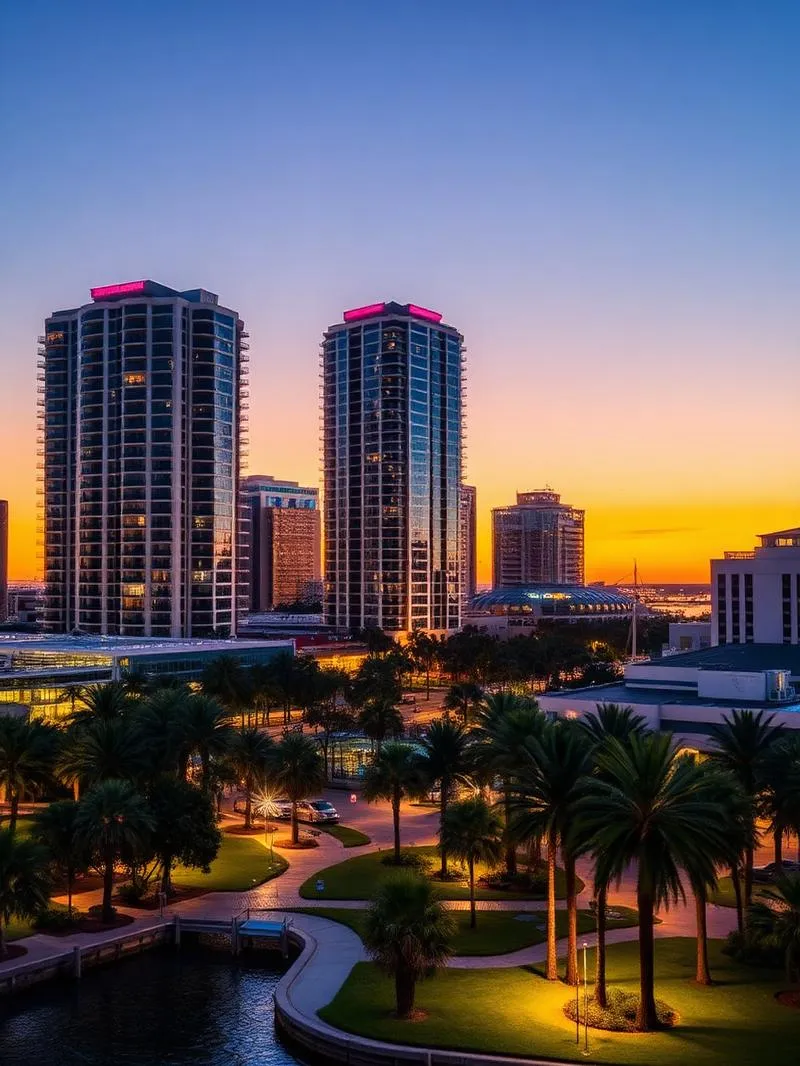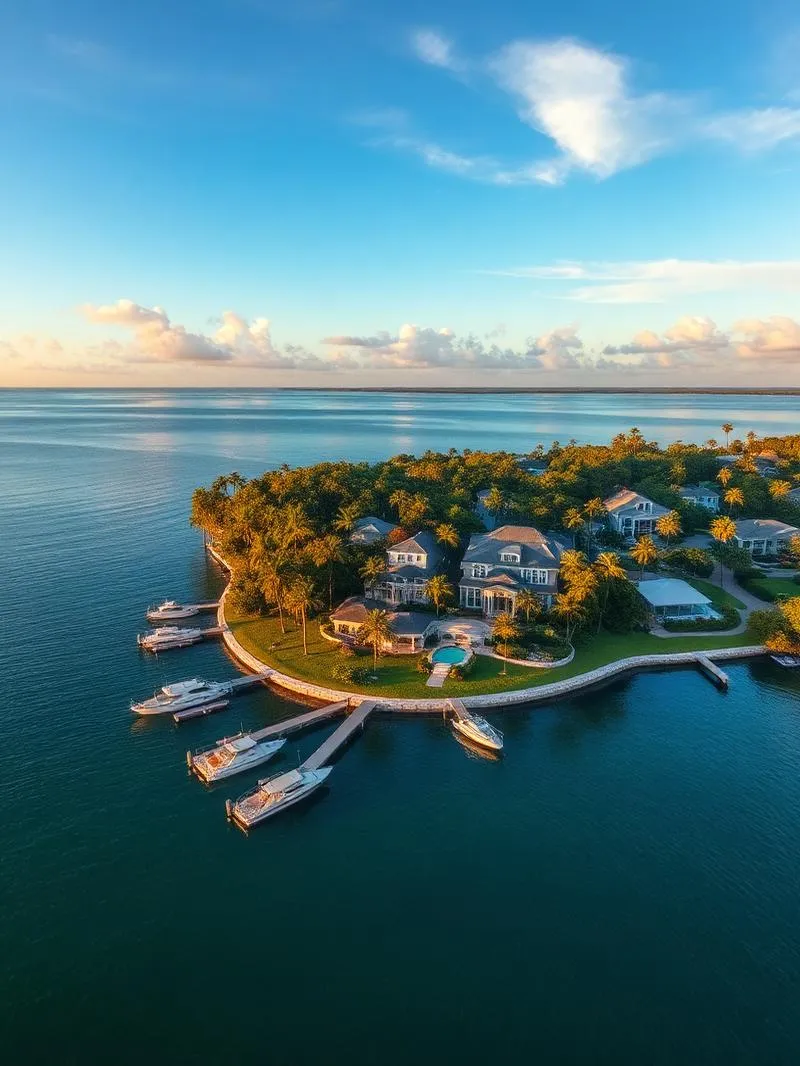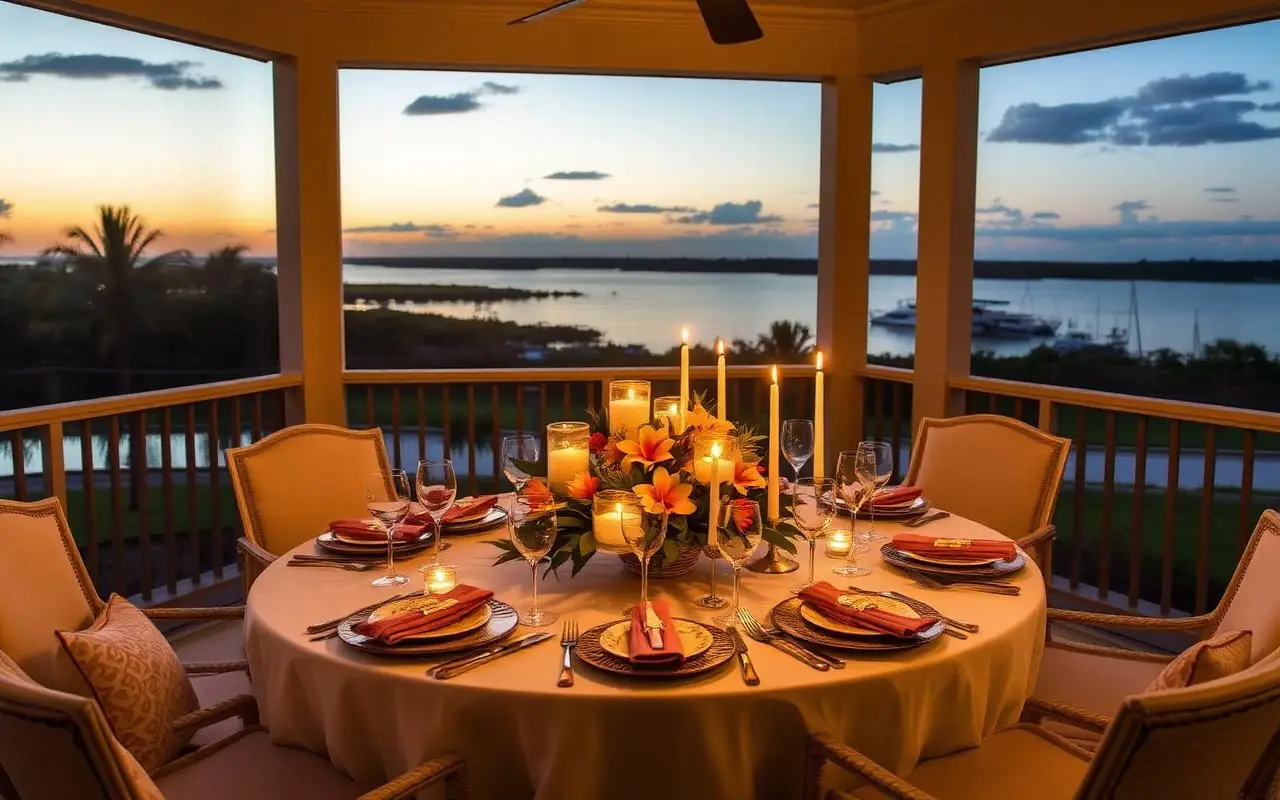
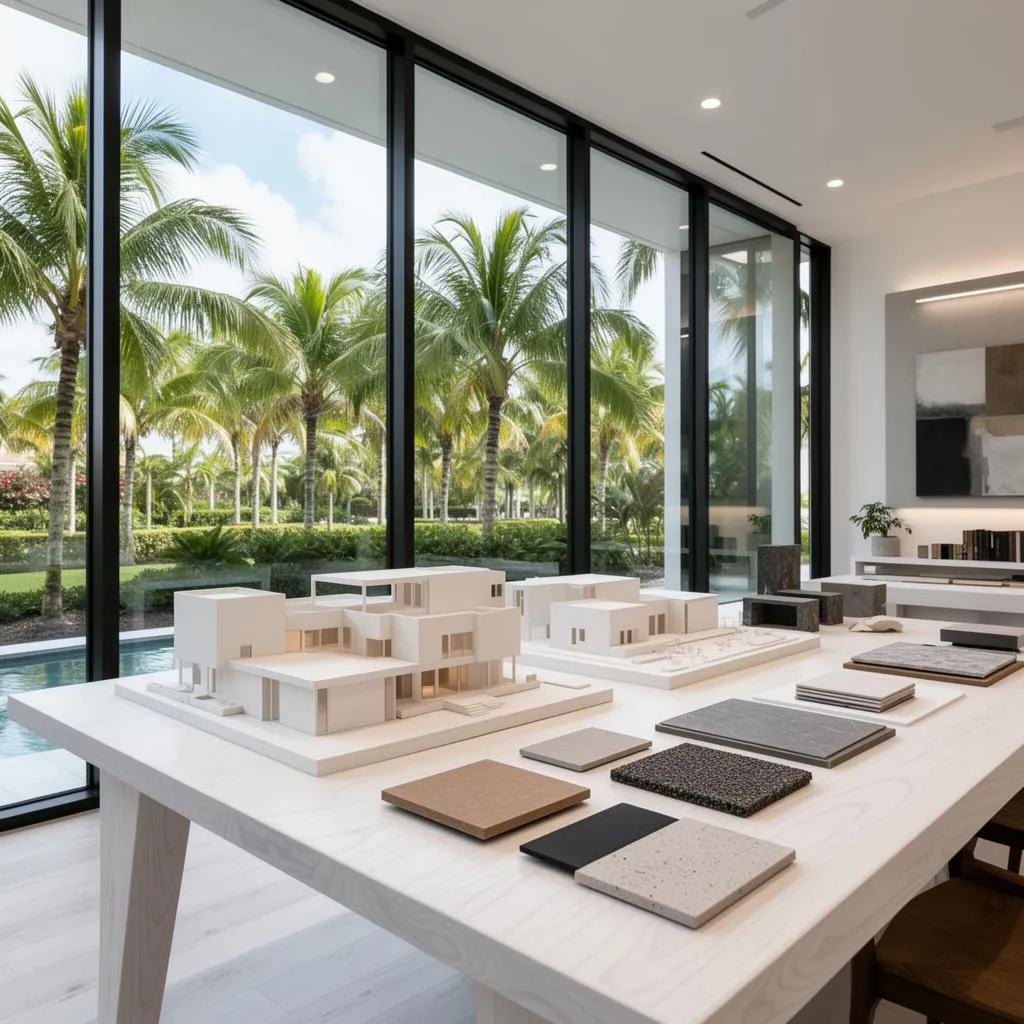
A quiet revolution is reshaping Sarasota's architectural landscape. A new generation of designers — inspired by the Sarasota School of Architecture's mid-century legacy but unbound by its conventions — is creating residences that feel both timeless and unmistakably contemporary. What began as a trickle of talent has become a movement, establishing the Gulf Coast as one of America's most exciting design destinations and redefining what luxury living looks like in a subtropical climate.
The Sarasota School Legacy
To understand the current renaissance, one must first appreciate the movement that preceded it. The Sarasota School of Architecture, which flourished from the late 1940s through the 1960s, was one of the most significant regional modernist movements in American history. Led by architects like Paul Rudolph, Ralph Twitchell, Victor Lundy, and Jack West, the movement produced homes that were radical in their transparency, their relationship to the landscape, and their embrace of the subtropical climate.
These architects rejected the air-conditioned box that was becoming standard in postwar Florida. Instead, they designed homes that breathed — with deep overhangs to shade glass walls, cross-ventilation strategies that captured Gulf breezes, and open floor plans that blurred the distinction between inside and out. The Umbrella House (1953), the Cocoon House (1950), and the Hiss Studio (1953) remain icons of this era, studied in architecture programs worldwide and increasingly sought after by collectors.
For decades after the Sarasota School's heyday, the region's architecture retreated into convention. McMansions, Mediterranean Revival pastiche, and generic coastal contemporary filled the barrier islands. The design DNA that had once made Sarasota architecturally significant lay dormant — until a new generation arrived to reawaken it.
A New Wave of Architectural Talent
The movement began in earnest around 2018, when a wave of internationally trained architects relocated to the Gulf Coast, drawn by the region's natural beauty, growing cultural scene, and a client base hungry for design-forward homes. Firms like Studio Bower, Solstice Planning, and Halflants + Pichette have become the vanguard of this renaissance, joined by a growing roster of emerging practices that are pushing boundaries with each new commission.
Guy Peterson, whose firm has been the bridge between the original Sarasota School and the current movement, describes the shift: 'For years, clients wanted safe. They wanted what their neighbors had. Something changed around 2015 — people started coming to us saying, I've seen what's possible. I want a home that means something.' Peterson's own body of work — lyrical, rigorously detailed, and deeply connected to site — has served as both inspiration and proof of concept for the younger architects who followed.
“We're not trying to recreate the Sarasota School. We're trying to do what they did — respond honestly to this place, this climate, this light — with the tools and knowledge we have now.”
— Jonathan Parks, Studio Bower
The result is a body of work that is distinctly of this place without being derivative. New homes on Siesta Key and Longboat Key feature the deep overhangs and horizontal proportions of their mid-century predecessors, but with contemporary materials — thermally broken steel windows, engineered timber, high-performance glass — that achieve levels of comfort and sustainability the original Sarasota School architects could only imagine.
The Relationship with Water
What distinguishes Sarasota's new design language is its relationship with water. Unlike Miami's vertical glass towers or Palm Beach's historicist mansions, the best new Gulf Coast residences are horizontal, low-slung, and deeply connected to the landscape. Floor-to-ceiling glass walls don't just frame views — they dissolve the boundary between interior and exterior, making the water an active participant in the daily experience of the home.
On Bird Key, a recent completion by Halflants + Pichette demonstrates this philosophy at its most refined. The 6,200-square-foot residence sits just 18 inches above the seawall, with a negative-edge pool that creates a visual continuum from the living room through the water to Sarasota Bay beyond. The architects describe it as 'a house that wants to be part of the water, not elevated above it.' From inside, it is impossible to tell where the pool ends and the bay begins.
This horizontal orientation extends to the way homes are experienced in motion. The best new Gulf Coast homes unfold sequentially, like a narrative: arrival through a compressed entry, a moment of pause in a courtyard or gallery, then the dramatic reveal of the water view. It's a technique borrowed from Japanese architecture and applied with Gulf Coast generosity — the revelation, when it comes, is always more expansive than you expect.
Materials and Craft
Materials play a central role in the new Sarasota aesthetic. Local limestone, reclaimed cypress, and poured concrete appear alongside imported Italian porcelain and Japanese-inspired shoji screens. The result is a layered materiality that feels warm and tactile rather than cold and clinical. There's a deliberate tension between raw and refined — a board-formed concrete wall meeting a panel of oiled walnut, or a rough-cut coral stone floor transitioning to polished terrazzo.
Concrete, in particular, has emerged as the signature material of the renaissance. Not the gray, industrial concrete of Brutalism, but a warmer, more nuanced material: integrally colored in warm taupes and sand tones, or finished with acid washes that reveal aggregate and create organic texture. Several local concrete artisans have developed proprietary finishing techniques that are now in demand across the state. The material's thermal mass also makes it functionally ideal for the Gulf Coast climate, absorbing heat during the day and releasing it slowly at night.
Woodwork has reached extraordinary levels of sophistication. Custom millwork studios like Sarasota Architectural Salvage and Gulf Coast Woodworks are producing bespoke cabinetry, stair systems, and furniture-grade built-ins that rival anything coming out of Brooklyn or Milan. The preferred species reflect the locale: rift-sawn white oak, pecky cypress, and tropical hardwoods like ipe and cumaru that weather to a silvery patina in the salt air.
Interior Design as Curation
Interior designers like Andrew Azzarello — who also leads Emerald Prestige — have become tastemakers in their own right, curating homes that balance museum-quality art with the casual comfort required for Gulf Coast living. 'Every room should feel like an invitation,' Azzarello notes. 'There's no point in beauty that can't be lived in.' This philosophy pervades the best Gulf Coast interiors: spaces that are visually striking but never precious.
Art plays an increasingly central role. The proximity to Art Basel Miami Beach, the Ringling Museum's world-class collection, and a growing gallery scene along Palm Avenue have created a collector culture that infuses private homes with museum-level work. It's not uncommon to find a Rauschenberg in a dining room, a Calder mobile on a screened lanai, or a commissioned site-specific installation by a local artist in an entry courtyard. The integration of art and architecture has become one of the defining characteristics of the Gulf Coast design renaissance.
“Every room should feel like an invitation. There's no point in beauty that can't be lived in.”
— Andrew Azzarello, Emerald Prestige
Furniture selection follows a similar philosophy of considered eclecticism. Danish mid-century pieces — Wegner, Juhl, Jacobsen — mix comfortably with contemporary Italian manufacturers like B&B Italia, Poliform, and Minotti. Upholstery tends toward natural fibers and neutral tones, allowing the architecture and art to take center stage. Performance fabrics from Perennials and Sunbrella have advanced so dramatically that the distinction between indoor and outdoor furniture has effectively disappeared.
Beyond Residential: A Cultural Ecosystem
The design renaissance extends beyond private residences. New restaurants, boutique hotels, and cultural venues across Sarasota are embracing this ethos, creating a built environment that positions the Gulf Coast as one of America's most compelling design destinations. The renovation of the Sarasota Art Museum — housed in the old Sarasota High School, a Rudolph-designed building — symbolizes the movement's dual commitment to preservation and innovation.
Commercial interiors have followed residential trends. Restaurants like Lila and The Rosemary are as notable for their design as their menus — soaring ceilings, custom light fixtures, and material palettes that reference the surrounding landscape without resorting to literal coastal clichés. Even retail spaces along St. Armands Circle and Palm Avenue are being reimagined by the same architects and designers working on private homes, creating a coherent aesthetic that extends from the home to the public realm.
For those drawn to places where beauty is taken seriously — where the design of a doorknob receives as much consideration as the view it reveals — Sarasota's design renaissance offers something increasingly rare: a community of makers, thinkers, and residents who believe that how we build shapes how we live. The Gulf Coast is not just building homes. It is building a culture.
Explore the Neighborhoods
Discover the areas mentioned in this article