Purchasing waterfront property on the Gulf Coast is one of the most significant investments a buyer can make — and one of the most rewarding. But it requires a level of expertise and due diligence that goes well beyond a standard residential transaction. From understanding water types and seawall conditions to navigating insurance complexities and dock permits, informed buyers approach waterfront purchases with the same rigor they'd apply to any major investment — and the same excitement they'd bring to choosing a life-changing home.
Understanding Gulf Coast Water Types
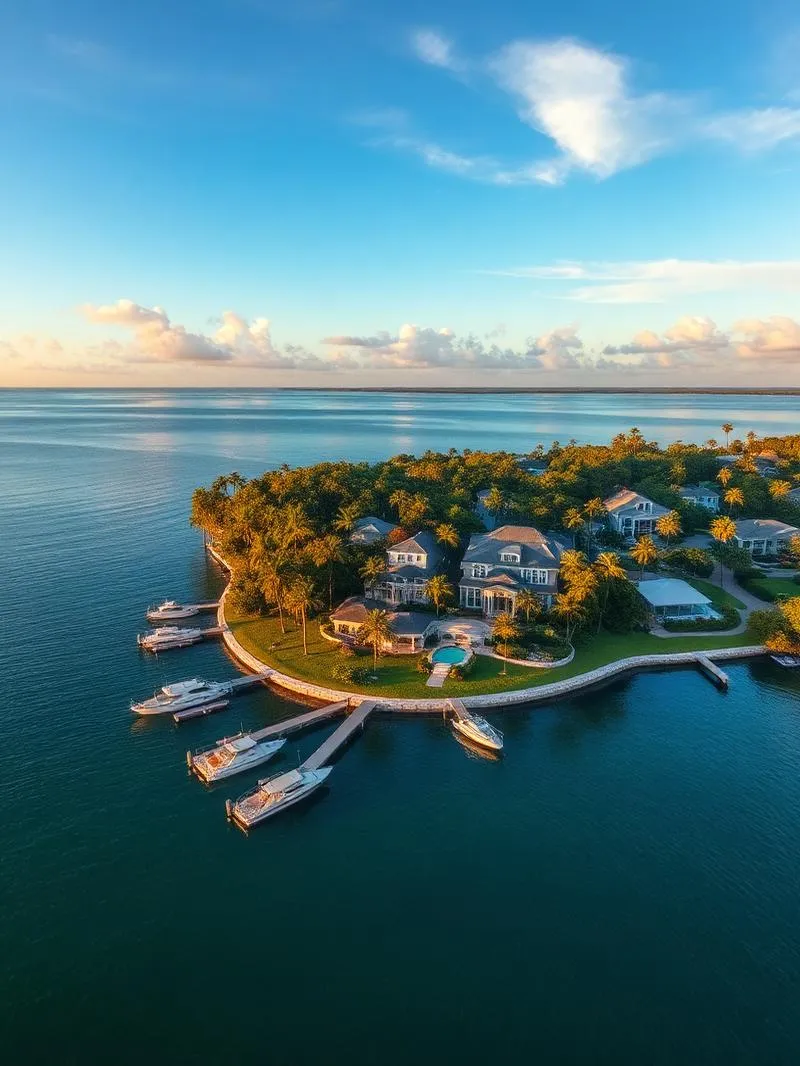
First, understand the water. Not all waterfront is created equal. Direct Gulf-front properties offer dramatic open-water views and beach access, but they come with higher insurance costs and stricter building codes due to their exposure to storm surge and wind. Bayfront properties provide calmer waters, deeper drafts for boating, and often more protected locations during storms. Canal properties offer a more affordable entry point into waterfront living while still providing direct water access and, in many cases, Gulf access through navigable channels.
Intercoastal Waterway properties combine the advantages of protected water with excellent navigability, allowing owners to cruise north toward Tampa Bay or south toward Venice and beyond without entering the open Gulf. For serious boaters with larger vessels, ICW access can be more valuable than direct Gulf frontage. Understanding which type of water best suits your lifestyle — and being honest about how you'll actually use it — is the single most important decision in the waterfront buying process.
The distinction between deep water and shallow water is critical and often misunderstood. Properties advertised as 'waterfront' may sit on water too shallow for anything larger than a kayak at low tide. Before making an offer, buyers should commission a water depth survey at mean low tide — the lowest normal water level — to understand what vessel can be accommodated. Generally, six feet of water at low tide is considered the minimum for a center-console fishing boat, while larger vessels may require eight feet or more.
Seawall Inspections and Marine Surveys
Seawalls are the silent foundation of any waterfront estate. A property's seawall condition can represent a six-figure investment, and buyers who overlook this during due diligence often face costly surprises. We always recommend a marine survey alongside the standard home inspection — it's a small investment that can save hundreds of thousands. A failing seawall doesn't just affect the water's edge; it can undermine foundations, destabilize pools and patios, and dramatically reduce property value.
“I've seen buyers fall in love with a view and forget to look down. The seawall is the most expensive thing you can't see — and the most important thing you'll inherit.”
— James Whitfield, Emerald Prestige
Modern seawall construction on the Gulf Coast typically uses vinyl sheet pile or concrete panel systems, often with steel tie-back rods anchored to deadman anchors set back from the wall. The expected lifespan varies: concrete panel walls may last 30-50 years, while vinyl sheet pile systems can last 50-75 years with proper maintenance. Older homes may have wooden seawalls — typically pressure-treated pine or cypress — that have a much shorter lifespan and are increasingly difficult to insure.
A qualified marine surveyor will assess not just the visible structure but also the underwater condition, looking for undermining (erosion beneath the wall), displacement (tilting or bowing), and joint failure. They'll also evaluate the cap, which is the concrete or wood beam along the top of the wall — cracking or shifting in the cap often indicates structural problems below. The cost of a marine survey typically runs $800 to $2,000, depending on the length of seawall — a trivial expense relative to the six-figure cost of replacement.
Orientation, Light, and View Corridors
Orientation matters profoundly on the Gulf Coast. West-facing properties capture the legendary Gulf sunsets but receive intense afternoon heat that can drive cooling costs significantly higher. East-facing bayfront properties enjoy cooler mornings and stunning sunrise views, with the added benefit of afternoon shade on the waterside. The best properties — and the most valuable — offer both, with creative architectural solutions that maximize light throughout the day.
View corridors deserve careful analysis. A property with a 'water view' may look very different in ten years if neighboring parcels are developed with taller structures. Understanding setback requirements, height restrictions, and the development potential of adjacent lots is essential. Your agent should be able to pull the zoning and development history of surrounding properties to assess view vulnerability — a service that separates truly knowledgeable waterfront specialists from generalist agents.
Light quality varies by location in ways that affect both livability and photography (increasingly important in the social media age). Properties on Sarasota Bay's eastern shore receive the warmest afternoon light, with the sun descending directly across the water. Properties on the Gulf side get spectacular sunset displays but face harsh western exposure during summer months, when the sun doesn't set until nearly 8:30 PM. The best Gulf-front architects mitigate this with deep overhangs, motorized shading systems, and high-performance glass with low solar heat gain coefficients.
Dock Permits and Navigational Access
Dock permits, riparian rights, and navigational access are critical considerations for boating enthusiasts. Not every waterfront property comes with the right to build or maintain a dock, and water depth can vary significantly even within the same neighborhood. A knowledgeable agent who understands maritime regulations is essential — and can save buyers months of frustration and tens of thousands of dollars in application costs.
In Sarasota County, dock construction requires permits from multiple agencies: the County itself, the Florida Department of Environmental Protection (FDEP), and in some cases the Army Corps of Engineers. The process can take six months to over a year, depending on the complexity of the project and the environmental sensitivity of the site. Properties adjacent to seagrass beds, manatee habitats, or bird nesting areas face additional scrutiny and may be subject to seasonal construction restrictions.
Riparian rights — the legal rights of a waterfront property owner to access and use the water adjacent to their property — are not always straightforward. In some cases, riparian lines converge in ways that limit the footprint available for dock construction. In other cases, shared channels or navigational easements may restrict where a dock can be placed or how large it can be. A maritime attorney or experienced marine contractor can perform a riparian analysis before purchase, ensuring that the property can accommodate your boating plans.
Insurance, Flood Zones, and Wind Mitigation
Insurance is perhaps the most important practical consideration when purchasing waterfront property on the Gulf Coast. Flood zones, wind mitigation features, and the age of the roof all factor into premium calculations. Properties built to current code with impact-rated windows and reinforced construction can save buyers tens of thousands annually in insurance costs — a difference that dramatically affects the true cost of ownership.
FEMA flood zone designations drive flood insurance requirements. Properties in Zone AE (the most common high-risk designation on the Gulf Coast) are required to carry flood insurance if they have a federally backed mortgage. The cost depends on the property's base flood elevation (BFE) and the elevation of the lowest floor relative to BFE. Properties elevated above BFE enjoy significantly lower premiums, which is why many newer waterfront homes are built on elevated foundations — a practice that also protects against storm surge.
Wind mitigation inspections can yield dramatic premium reductions. A certified inspector evaluates the roof covering, roof-to-wall connections, opening protection (impact windows and doors), and secondary water resistance. Homes with hip roofs, hurricane straps at every truss-to-wall connection, and impact-rated windows throughout can receive discounts of 40-60% on the wind portion of their insurance premium. For a waterfront estate with an annual premium of $30,000 or more, these savings are substantial and should be factored into the total cost analysis from day one.
The Intangible Value of Waterfront Living
Finally, consider the intangible value. Waking to the sound of water, watching dolphins from your morning coffee spot, the way light plays across the bay at golden hour — these are the moments that make waterfront living on the Gulf Coast truly extraordinary. It's not just a home; it's a daily reminder of why you chose this life. The emotional return on investment is immeasurable, and it's what brings buyers back to the water again and again, even when the practical considerations feel daunting.
“You can put a price on the house, the dock, the seawall. You can't put a price on the morning a pod of dolphins passes your lanai while you're drinking coffee. That's the real value of waterfront living.”
Waterfront properties on the Gulf Coast have historically demonstrated strong appreciation, even through market cycles. The fundamental scarcity of waterfront land — they aren't making more of it — combined with the desirability of the Gulf Coast lifestyle creates a floor of demand that supports values over time. While no real estate investment is without risk, the combination of lifestyle value and long-term appreciation potential makes Gulf Coast waterfront one of the most compelling property categories in the country.
For buyers ready to take the plunge, the rewards are extraordinary. With the right guidance — a waterfront specialist who understands seawalls, water depth, insurance, dock permits, and the thousand other details that distinguish a smart waterfront purchase from a costly mistake — the dream of waking up on the water every morning is not just attainable. It's waiting.
Explore the Neighborhoods
Discover the areas mentioned in this article